How Professional Tree Care Helps Protect Properties in Mahomet, IL?
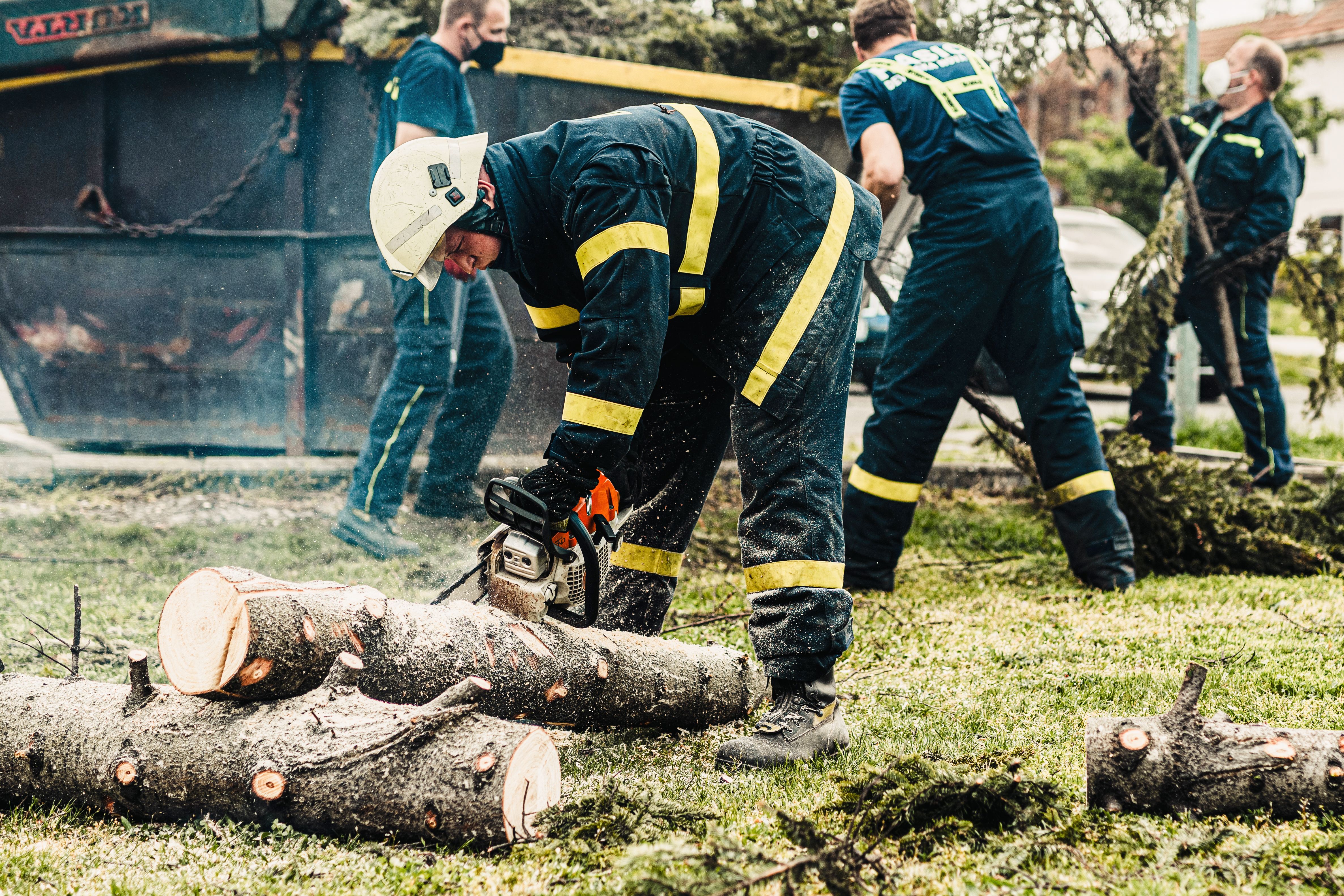
Mahomet, Illinois, is a village in Champaign County where mature shade trees, established yards, and neighborhood greenery are part of everyday residential life. The Midwest climate brings hot summers, cold winters, heavy rain, and occasional severe storms, all of which can affect how trees grow and how well they hold up over time. For property owners, professional tree care can help identify concerns early, support tree health, and reduce risks to homes, driveways, fences, and outdoor spaces, although the right approach always depends on the species, condition, and location of each tree.
Why Tree Care Matters for Mahomet Properties
Mahomet is a growing community just west of the Champaign-Urbana area, with a mix of older neighborhoods, newer developments, and larger lots. Trees on these properties can provide shade, privacy, and visual appeal, but they also need regular attention as they grow and mature.
Trees that are left unmanaged may develop crowded canopies, weak branch attachments, dead limbs, or growth patterns that place stress on the structure. These issues do not always appear suddenly. In many cases, they develop gradually and are easier to manage when noticed early.
Property owners can begin by observing the trees around their homes. Look for dead branches, thinning foliage, trunk damage, or limbs that extend close to a roof or utility line. These signs do not automatically mean a tree must be removed, but they may justify a professional assessment. To learn more about the area beyond your own yard, learn more about places that families and visitors enjoy in Mahomet.
How Professional Pruning Supports Tree Health
Pruning is one of the most common forms of tree care, and when it is done correctly, it can improve a tree's structure and appearance. Professionals consider the species, the size of the branches, the tree's growth habit, and the reason for the work before making any cuts.
Removing dead, damaged, or poorly attached branches can reduce the chance of limbs dropping onto a roof, vehicle, or walkway. Selective thinning may also allow better light and air movement through the canopy, which can support overall tree health.
Improper pruning, on the other hand, can harm a tree. Heavy topping, excessive crown reduction, or cutting too close to the trunk may create wounds that heal poorly and encourage weak regrowth. For large or elevated branches, it is usually safer to rely on trained professionals with the right equipment.
Timing can also matter. Some trees respond better to pruning at certain times of year, so it is helpful to ask a qualified tree-care provider about the most suitable schedule for your trees.
Protecting Homes from Storm Damage in Mahomet, IL
Illinois weather can include strong thunderstorms, high winds, heavy rain, and winter ice. These conditions place stress on trees, particularly those with dead limbs, weak unions, root problems, or previous damage.
A professional inspection can help identify branches that overhang structures, trees with visible cracks, or conditions that may increase the chance of failure during severe weather. While no tree can be made completely storm-proof, proactive care can help reduce avoidable risks.
Look for large dead limbs, newly formed cracks, changes in a tree's lean, or soil lifting near the base. A sudden change in the position of a tree may indicate a structural problem that requires prompt attention.
Homeowners should avoid climbing trees or cutting large branches on their own. If a tree appears unstable or limbs are close to a home, keep people away from the area and contact a qualified professional. Stay clear of trees and branches near damaged power lines and report electrical hazards to the appropriate utility.
Spotting Disease, Pests, and Decline Early
Trees can be affected by disease, insects, drought stress, compacted soil, and other environmental factors. In the Midwest, property owners may encounter issues such as pest infestations or fungal problems, although the specific cause depends on the tree species and growing conditions.
Possible warning signs include thinning leaves, early leaf drop, dead branch tips, unusual spots or discoloration, peeling bark, and fungal growth near the trunk or root flare. A single symptom may have several explanations, so it is best not to assume a diagnosis without a proper evaluation.
A trained arborist or tree-care professional can examine the tree, identify likely causes, and recommend an appropriate response. Depending on the situation, that may include monitoring, pruning, improving watering practices, or treatment options suited to the specific issue.
Early attention can make a meaningful difference. Addressing a problem while a tree is still relatively healthy often gives property owners more options than waiting until decline is advanced.
Why Roots and Soil Conditions Deserve Attention
A tree's roots are just as important as its visible canopy. Soil moisture, drainage, compaction, and nearby construction can all influence root health, even when the upper part of the tree still looks normal.
Check for exposed roots, soil movement, standing water near the trunk, or signs of recent ground disturbance. Trenching, paving, grading, and landscaping changes can damage roots and affect stability over time.
Avoid piling mulch directly against the trunk or covering the base of the tree with excess soil. A thin, even layer of mulch spread around the root zone, kept away from the trunk, is generally a better approach for supporting tree health.
A visual inspection from a safe distance can reveal warning signs, but it cannot fully show the condition of roots below ground. When a tree shows signs of leaning, root damage, or movement, a professional assessment is a sensible next step.
When Should Mahomet Homeowners Call a Tree Professional?
Routine maintenance can help identify developing concerns before they become more difficult or costly to manage. Homeowners may consider scheduling an inspection when a tree has large dead limbs, visible trunk damage, unusual canopy decline, or branches growing close to structures.
After a severe storm, check your property from a safe location. Look for fallen limbs, hanging branches, new cracks, and changes in the position of trees. Avoid walking beneath damaged limbs or approaching trees tangled in electrical wires.
For planned work, ask the tree-care provider to explain what they recommend and why. Appropriate pruning can improve structure and safety, but excessive cutting may damage a tree and lead to additional maintenance needs later.
Property owners should also check any applicable village, county, or neighborhood requirements before undertaking major tree work. Rules can vary depending on the property, the type of work, and local regulations.
How to Evaluate Trees Around Your Property
Start by walking around the property and observing each significant tree from a safe distance. Note any trunk damage, dead branches, canopy changes, exposed roots, and the distance between large limbs and nearby structures.
Take photographs when you notice a change. Comparing images over time can help you recognize developing issues and gives a tree-care professional useful background information.
Consider the surroundings as well. A large branch over an empty part of the lawn presents a different level of exposure than a branch above a roof, driveway, or frequently used entrance. The potential consequences depend on what is beneath the tree and on the tree's condition, not simply its size.
For complex concerns, request an assessment from a qualified arborist. A professional can evaluate the tree's structure, identify possible causes of decline, and explain whether monitoring, pruning, or another form of intervention may be appropriate.
The Long-Term Value of Professional Tree Care
Healthy trees add shade, greenery, and character to residential properties. Regular observation and suitable maintenance can also help owners address damaged branches and other concerns before severe weather makes access more difficult.
Not every mature tree is a hazard, and removing a tree only because it is large or old is not always necessary. Decisions should be based on the tree's actual condition, its surroundings, and the potential consequences of failure.
Homeowners should consider both tree health and property safety when planning maintenance. Keep records of previous pruning, storm damage, and professional inspections when possible. These details can help guide future decisions and make it easier to track changes over time.
If you are looking for professional support with inspections, pruning, or removal planning, you can visit here for more information about tree service options in Mahomet. Any tree-related work should be planned according to the specific property, relevant rules, and the condition of the tree.
Quick Reference to Tree Care Warning Signs
- Bark and trunk: Watch for fresh cracks, deep wounds, missing bark, and unusual changes in the trunk.
- Canopy: Look for large dead branches, significant thinning, broken limbs, and sudden changes in foliage.
- Roots and soil: Notice exposed or damaged roots, soil lifting, and sudden changes in the tree's lean.
- Nearby structures: Check whether large branches extend over roofs, driveways, fences, or frequently used areas.
- After storms: Observe the tree from a safe distance and arrange professional help when significant damage is visible.
These warning signs are general indicators, not a definitive diagnosis. Tree species, weather exposure, growing conditions, and the severity of any damage all influence the appropriate response.
Frequently Asked Questions
How does professional tree care protect my property?
Professionals can identify dead limbs, weak branch attachments, and other structural concerns, then recommend suitable pruning or other work. This can help reduce the chance of avoidable damage to roofs, fences, vehicles, and outdoor areas, although no tree can be guaranteed to be risk-free.
How often should trees be inspected in Mahomet, IL?
Regular observation is useful throughout the year, especially before and after severe weather. A professional assessment is a good idea whenever you notice significant trunk damage, large dead limbs, root movement, or a sudden change in a tree's condition.
Should I remove a tree with dead branches?
Not automatically. Some dead branches can be removed through appropriate pruning, while extensive dieback or structural damage may require a more detailed assessment. A qualified tree professional can recommend an option based on the tree's condition and location.
Can pruning harm my tree?
Yes, if it is done incorrectly. Topping, excessive crown reduction, and poorly placed cuts can weaken a tree and create future problems. Proper pruning follows the tree's natural structure and focuses on specific goals, such as removing hazards or improving form.
Can heavy rain or storms affect tree stability?
Heavy rain can saturate soil, and strong winds add further stress, particularly for trees with compromised roots or structural problems. The level of risk varies by site and tree, so sudden leaning or soil movement around the base should be assessed promptly.
Who should assess a potentially hazardous tree?
Consider contacting a qualified arborist or reputable tree-care company with appropriate credentials and insurance. Ask for an explanation of the observed concerns and the recommended work before making decisions about major pruning or removal.